Why is My Functional Chair Losing Cushion Support?

Time:2026-08-24 Author:Ethan
0%

When faced with the question, "why is my functional chair losing cushion support," many users often experience frustration. According to Dr. Emily Carter, a renowned ergonomic specialist, "Over time, wear and tear can significantly diminish your chair's comfort." This insight underlines a common issue that arises much sooner than expected.

Cushion support is influenced by factors like material quality and frequency of use. A chair that feels perfect today may lack support tomorrow due to daily pressure and movement. The foam that once conformed to your body may have compressed unevenly, resulting in discomfort.

Understanding these nuances is vital. Without proper knowledge, one might overlook the signs of deterioration. Addressing this issue requires keen observation and appropriate action. Recognizing when your chair needs repair or replacement can profoundly impact your daily comfort and productivity.
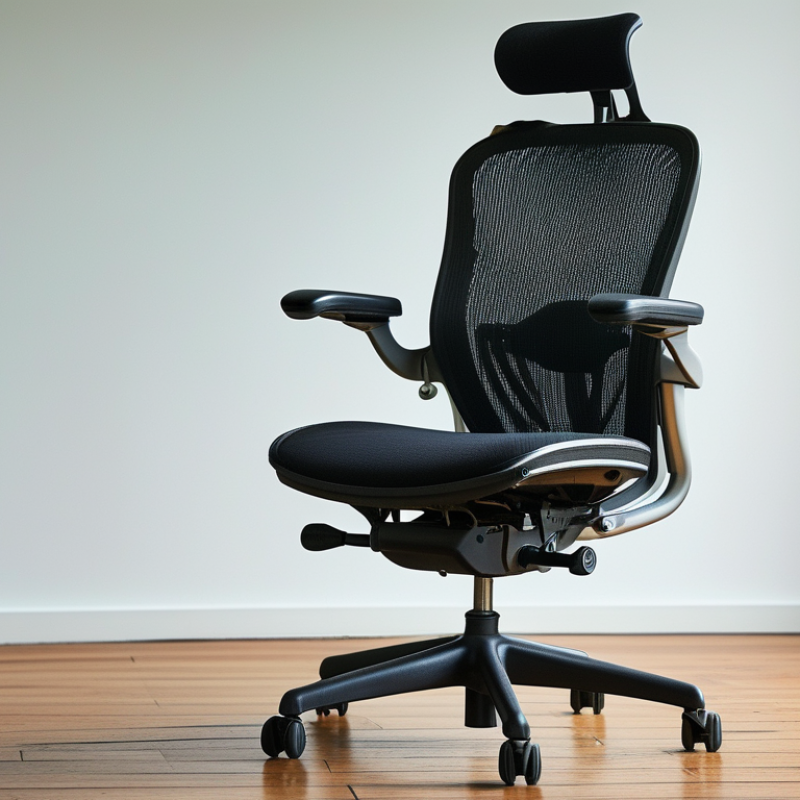
Why is My Functional Chair Losing Cushion Support?

Understanding the Role of Cushion Density in Chair Support Over Time

Cushion density plays a pivotal role in a chair's support over time. A chair with high-density foam will often retain its shape longer than one with lower density. The initial plush comfort can be misleading. As time goes on, softer materials may compress and lose support. This compression affects posture and comfort.

Choosing the right cushion is essential. Higher density foam might feel firmer initially but provides better long-term support. Look for chairs with at least 3 to 5 pounds per cubic foot of density. When selecting cushions, consider your weight and how often you use the chair.

Regular maintenance can extend the life of your chair. Rotate cushions occasionally to allow even wear. Clean your chair regularly to remove dust and debris. Assess the cushion regularly for signs of flattening. Early detection can help consider options for repair or replacement. Make time to reflect on your seating habits and their impact on comfort. Your chair should support both your body and your overall well-being.

Common Causes of Cushion Degradation in Functional Chairs

Cushion degradation in functional chairs can stem from various factors, impacting comfort and support. Over time, foam and fillings can compress from frequent use. According to industry reports, quality foam can start losing its resilience after about 2,000 hours of use. Many chairs may not provide adequate resistance against compression due to lower-grade materials.

Moisture and spills also contribute to cushion damage. A study indicated that moisture can lead to mold growth, resulting in unpleasant odors and further deterioration. This is often overlooked in routine maintenance. Additionally, UV exposure can weaken fabric fibers, leading to quicker wear and tear. It’s important for users to assess their chair's environment and habits to mitigate these issues.

Users may notice uneven seating surfaces after prolonged use. This degradation can cause discomfort and even impact posture. Regularly switching seating positions and using seat covers could help extend the life of cushion support. Small actions can lead to significant long-term benefits, ensuring that your functional chair remains effective and supportive.

Impact of Weight Distribution on Cushion Longevity and Performance

A functional chair is designed for comfort and support, but its cushion can lose effectiveness over time. One significant factor influencing cushion longevity is weight distribution. When weight is unevenly distributed across the cushion, certain areas bear most of the load. This pressure can lead to faster wear and tear.

Consider how you sit throughout the day. If you often shift your weight to one side, the cushions on that side may compress more quickly. Over time, this uneven wearing can create noticeable dips or hard spots. It's essential to recognize that our sitting habits play a crucial role in the chair's performance.

Another aspect to reflect on is how materials used in the cushion react to prolonged pressure. Some foam types may retain their shape better than others. However, all materials have limits. If you frequently host guests or use the chair for extended hours, it may exacerbate the issue. Thinking about these factors can help you maintain your chair's comfort longer.

Why is My Functional Chair Losing Cushion Support?

Weight Distribution Category Average Cushion Lifespan (Months) Comfort Level (Out of 10) Support Level (Out of 10)
Lightweight (Up to 150 lbs) 36 9 8
Moderate Weight (151-250 lbs) 24 7 7
Heavyweight (Over 250 lbs) 12 5 5

Material Quality: How Foam Type Affects Cushion Resilience

When it comes to cushion support, the type of foam used is crucial. High-density foams typically offer better resilience than low-density options. A report by the Furniture Industry Association shows that high-density foam can retain its shape and support for over five years, whereas low-density foam often compresses in just a year. This difference matters for comfort and durability.

Choosing the right material is vital. Polyurethane foam, for example, is popular for its budget-friendly nature but often lacks the longevity required in functional chairs. Memory foam, while luxurious, can also degrade over time if the quality is not high. A study indicated that quality foam can impact the supportive feel by as much as 40%. It’s important to consider the long-term costs of replacing cushions due to subpar materials.

Consider rotating your cushions occasionally to promote even wear. Regular maintenance extends their life significantly. Always inspect your chair for signs of sagging. Noticing these issues early can help you decide whether to replace the foam or the entire cushion. Remember, investing time in understanding foam types leads to better purchasing decisions.

Maintenance Tips to Extend the Life of Your Functional Chair's Cushion

A functional chair's cushion can lose support due to regular wear and tear. Over time, daily use can compress the foam or materials inside. This can lead to discomfort and poor support. To address this, it's crucial to understand how to maintain the cushion properly.

Regular cleaning can make a significant difference. Use a soft brush or vacuum to remove dust and debris. This helps prevent the buildup that can affect comfort. If the fabric is removable, washing it according to care instructions ensures cleanliness. Additionally, consider rotating the cushion periodically. This can distribute wear evenly and prolong its life.

Inspecting for sagging areas is also essential. If you find any, adding a layer of cushioning can help restore support. Using seat pads can provide extra comfort and protection. Remember, even the best cushions need care. Take time to maintain your chair and reflect on its needs. This simple yet effective approach can enhance your seating experience for years to come.

Functional Chair Cushion Support Over Time

This chart illustrates the decline in cushion support for a functional chair over time. As the usage duration increases, the cushion support percentage decreases, highlighting the importance of regular maintenance to extend the life of the chair's cushion.

FAQS

: What causes cushion degradation in functional chairs?

: Cushion degradation can occur due to frequent use, moisture, spills, and UV exposure.

How long does quality foam last before losing its resilience?

Quality foam may begin to lose its resilience after about 2,000 hours of use.

How can moisture affect chair cushions?

Moisture can lead to mold growth, causing unpleasant odors and further deterioration.

What can users do to mitigate cushion issues?

Users should assess their environment and habits to prevent cushion damage.

Why do some chairs have uneven seating surfaces?

Uneven surfaces can emerge from prolonged use, affecting comfort and posture.

What maintenance tips can extend a chair’s cushion life?

Regular cleaning and rotating the cushion can help distribute wear and prolong its lifespan.

How often should I clean my functional chair cushion?

Regularly vacuuming or brushing to remove dust can significantly maintain comfort.

What should I do if I find sagging areas in my cushion?

Adding a layer of cushioning can help restore support in sagging areas.

Is it necessary to wash removable chair cushion covers?

Yes, washing removable covers according to care instructions ensures cleanliness.

How can I better protect my functional chair cushion?

Using seat pads can provide extra comfort and protect against wear.

Conclusion

If you've ever asked yourself, "why is my functional chair losing cushion support?" you'll find that multiple factors contribute to this issue. The density of the cushion plays a crucial role in how well it maintains its support over time. Common causes of cushion degradation in functional chairs include frequent use, poor weight distribution, and the type of materials used. Understanding how weight affects cushion performance is essential, as uneven distribution can exacerbate wear.

Additionally, the quality of foam significantly influences cushion resilience, with different foam types offering varying levels of durability. To extend the life of your chair's cushion, regular maintenance is vital. Simple practices like rotating the cushion and avoiding excessive weight in concentrated areas can help maintain its support and comfort for longer periods. By addressing these aspects, you can effectively combat the decline in cushion support.

Ethan

Ethan

Ethan is a seasoned marketing professional with a deep expertise in our company's innovative product line. With a passion for sharing knowledge and insights, he takes the lead in regularly updating our corporate blog, where he explores industry trends, product features, and effective marketing......